Most plumbing calls get started the similar method: a quiet drip that turns into a steady trickle, a toilet that runs each and every hour, a water invoice that jumps devoid of warning. By the time there’s a ceiling stain or a ruined self-importance, the fix has grown 3 times greater elaborate. I’ve spent years crawling below sinks, snaking outdated forged iron stacks, and rebuilding valves in cramped utility closets. Patterns repeat. The comparable handful of disorders account for such a lot of the headaches, and the difference among a primary restoration and an steeply-priced overhaul in the main comes down to timing and a bit of of recognise‑how.
This assist walks because of the problems householders and facility managers see so much: leaky faucets, going for walks lavatories, low water tension, sluggish or clogged drains, water heater hiccups, and hidden leaks that slowly rot framing and subfloors. I’ll proportion where to seem to be first, what you'll realistically deal with with out a licensed plumber, and when to forestall, close off the water, and attain for the cell. The purpose isn't very to turn you right into a technician, however to help you make sparkling, convinced judgements that evade collateral damage.
A good manner to method any plumbing repair
Every restoration, from a dripping kitchen spout to a burst washing laptop hose, rests at the similar three pillars: isolate the hardship, regulate the water, and appreciate the supplies.
Isolation starts off with valves. If a sink leaks, near the attitude stops beneath the cupboard. If a bath mixes sizzling and cold unpredictably, locate the water heater valves or the lavatory branch shutoff. Being able to kill water soon is 1/2 the battle. Test these valves twice a 12 months. On houses older than two decades, I substitute cussed or corroded stops proactively, fantastically if they haven’t been touched in a decade. Wrestling a frozen valve lower than rigidity is a recipe for a snapped stem and a much bigger mess.
Controlling water capability expecting it. Lay towels, have a bucket beneath each lure, and depressurize strains formerly you loosen a fitting. That’s as uncomplicated as shutting a valve and then opening the downstream tap to relieve rigidity. If you’re taking out a cartridge, pull the spout’s aerator and wrap a rag around the tap body. Tiny things like that steer clear of scratches, clogs, and frantic rummaging for materials.
Respect for constituents concerns extra than most individuals think. Brass threads tolerate snug, now not “unless it stops after which an alternative area flip.” PVC will crack when you overtighten. PEX crimps need steady rigidity and the perfect ring. Even pipe dope varies: a few sealants degrade plastics, and Teflon tape has grades with special densities. A measured hand saves fittings and frustration.
The drip that rates greenbacks: tap leaks and what they signal
A faucet dripping as soon as in line with 2d can waste approximately 2,000 to three,000 gallons a year, relying on strain and orifice dimension. Aside from the noise and price, that regular water etches mineral tracks on finishes and stains sinks.
Most kitchen and tub faucets fall into several designs: cartridge, ball, compression, and ceramic disc. The restoration revolves across the heart of every.
Cartridge faucets fail whilst mineral deposits rating the seals or the cartridge’s rubber supplies flatten. If you might have difficult water, predict a cartridge to last five to ten years. A continuous drip after shutting off the address aas a rule aspects to the cartridge. If the tackle feels tight or gritty, scale has doubtless developed up. Shut the delivery lines, remove the manage and preserving clip, and pull the cartridge straight out. I steer clear of pliers at the cartridge stem until simply mandatory, due to the fact that one twist can flip a 10‑minute change right into a sink‑aspect excavation. Take the ancient cartridge to a plumbing grant store to match style and orientation. Before fitting the new one, sparkling the valve body with a delicate brush and a piece of white vinegar to dissolve scale, then rinse and flippantly coat O‑rings with plumber’s silicone grease.
Compression taps, in general older two‑tackle designs, have faith in a rubber washer urgent opposed to a seat. They drip while the washer wears or the seat pits. Replacing the washer is unassuming, but if the seat is difficult, the new washing machine will fail early and you’ll tighten the deal with more difficult, chewing up threads. A seat wrench helps you to dispose of and update the seat. If the seat is mounted, a reseating software can polish it modern. This is where restraint subjects: overtightening the packing nut to forestall a stem leak aas a rule stiffs the control and damages the packing. Replace the packing in its place, or upload some wraps of graphite packing string.
Ceramic disc faucets rarely drip unless grit damages the discs. A sudden leak after a town principal damage or dwelling house upkeep shows particles. Clean the assembly gently and flush the strains. Excessive power at the manage is a tell that person has attempted to sturdy‑arm a ceramic seal; the restoration is alternative constituents, no longer muscle.
There are side instances. Side sprayers that leak handiest while the tap runs in the main indicate a failed diverter. Pull the spout, entry the diverter, and replace it. If the tap body weeps the place it meets the counter, suspect unfastened mounting hardware or a cracked body from overtightening for the time of installation. Water stains within the cupboard may perhaps originate from a leak on the source connection, not the faucet itself. Dry all the pieces, then examine one connection at a time. A dry paper towel wrapped around a suspect joint reveals moisture quickly.
The bathroom that not at all sleeps: diagnosing a strolling toilet
A running rest room can spill tons of of gallons an afternoon. The noise comes and is going, or the tank hisses at all times. There are three normal culprits: the flapper, the fill valve, and the flush valve seat.
Flappers warp, get slimy in chlorinated water, or harden with age. Put a few drops of food coloring in the tank and wait 15 mins with no flushing. If coloration seems in the bowl, the flapper is leaking. When changing, healthy the shape and hinge model. Universal flappers work in many tanks, however proprietary flush methods need precise parts. Clean the seat with a non‑abrasive pad ahead of seating the hot flapper, and set the chain so there's simply a section of slack. A tight chain can dangle the flapper off the seat by way of a hair and waste water all day.
Fill valves fail in two methods: they don’t close off, or they close off too low or prime, causing negative flushes or overflow into the tube. If water spills into the overflow tube, lessen the float stage. If the valve sputters or never wholly closes, exchange it. Modern valves like quiet fill types are reasonably-priced and keep time. They additionally come with a new fill up tube, which need to be clipped above the overflow tube, not stuck within, to preclude backflow through siphon.
If you replaced the flapper and the loo nonetheless runs, investigate the flush valve seat for pitting or warping. On older lavatories, the broad plastic nut securing the flush valve can loosen over time, causing leaks into the bowl or the tank-to-bowl connection to weep externally. While you’re in there, check the tank bolts and gasket. Rusted bolts and brittle gaskets lead to gradual leaks that damage the flooring less than the rest room.
A wobbling toilet is extra than a nuisance. Movement breaks the wax seal and enables water and sewer fuel to break out. Tightening the closet bolts may perhaps support, yet if the flange is lower than carried out ground top, you need flange spacers or another‑thick wax ring. If the flange is damaged, installation a fix ring that anchors to the concrete or subfloor. Panicked over‑tightening cracks porcelain, and a cracked base capability a new lavatory.
When the shower whispers: low water tension with a plan
Low water pressure appears like a worn out bathe and a slow fill at the kitchen sink, however the root reason might possibly be inside the fixture or at the primary. Start with isolation. If pressure is low at every tap, suspect the drive cutting back valve (PRV) on the primary line, a partially closed leading shutoff, or an entire‑domicile scale build‑up in vintage galvanized or copper lines. If it’s most effective one fixture, it’s repeatedly regional.
Aerators collect sand and scale. Unscrew the aerator, rinse out particles, and soak the areas in vinegar for half-hour. Showerheads clog the same approach. If cleansing restores go with the flow, desirable. If not, the limitation should be would becould very well be a clogged mixing valve. Cartridges in shower valves involve tiny screens that capture debris. A renovation up the road can shake rust flakes unfastened in shared strains, which then resort in these screens. Remove and rinse the cartridge, then flush the valve frame until now reinstalling.
If force is erratic whilst any one opens an alternate fixture, you can still have rigidity fluctuations at the supply. A PRV that’s past its lifespan, in the main 10 to 20 years, will flow. Check static and dynamic rigidity with a gauge screwed onto a hose bib. You wish around 50 to 60 psi in so much properties. Static readings above eighty psi pressure appliances, in the reduction of fixture life, and intent hammer and leaks. If pressure climbs because the water heater fires, your thermal expansion tank is perhaps waterlogged or poorly charged. Tap it. A forged thunk finish to stop way it’s complete of water. Charge the tank to tournament dwelling pressure with a bicycle pump and gauge, or update it if the bladder is shot.
For good programs, drive concerns may also stem from the pressure transfer, clogged filters, or a failing pump. That’s beyond the scope of a brief house owner restore, yet a force gauge reading that cycles widely as water runs points toward nicely controls.
Slow drains, pungent traps, and clogs that come back
I’ve cleared drains with the entirety from a practical plunger to a 100‑foot sectional snake. Technique subjects more than brute strength. A kitchen sink that drains slowly usually has grease and biofilm equipped up within the entice and horizontal run. Before achieving for chemical compounds, strive a hot water flush accompanied through a small quantity of dish soap. If that fails, take away the seize. Keep a bucket tight lower than the joints, loosen the slip nuts via hand if you can, and check up on the entice and the seize arm. Clean them adequately, reassemble with new washers if the historic ones are stiff, and hand‑tighten until eventually comfy. Over‑tightening plastic slip nuts cracks them and makes leaks inevitable.
Bathrooms create the several clogs. Hair catches on rough edges inside pop‑up assemblies, then gels with soap residue. Pull the stopper, sparkling the linkage, and brush the tailpiece. For shower drains, a uncomplicated hair catcher will avert such a lot callbacks. If a bathtub drains slowly, determine the experience lever meeting and overflow for obstructions. Old tubs mainly have corroded linkages that destroy and hotel pieces inside the waste shoe. Fishing those out saves a good number of snaking.
Chemical drain cleaners are tempting. They work on occasion on partial clogs, yet they're able to overheat PVC, corrode steel pipes, and make future work damaging. If you used a caustic cleanser and still need to open the capture, wear gloves and eye maintenance, and flush the line very well first. Enzyme‑founded repairs cleaners are gentler and exceptional as a preventive measure, now not as an emergency restoration.
Recurring clogs in the similar position point to an even bigger predicament. A kitchen line that blocks every few months may possibly have a stomach in the pipe creating a settling spot, or the line can be undersized for trendy use. Older houses with forged Handy Bay Plumbing services iron routinely have scale ridges that seize particles. In the ones instances, a authentic cleansing with a larger gadget and a digicam inspection tells you whether descaling or a segment substitute makes sense.
Sewer odors set off alarms, they usually may want to. Traps give up sewer gas. If a room smells like sewage, pour water down each and every ground drain and seldom used fixture to stock up evaporated traps. A damaged or disconnected vent line may siphon traps, specially when a great slug of water actions simply by the system. If odors persist, a smoke attempt can discover leaks in the vent approach. Avoid protecting smells with scent. Find and fix the breach rather.
The water heater blues: lukewarm showers and puddles on the pan
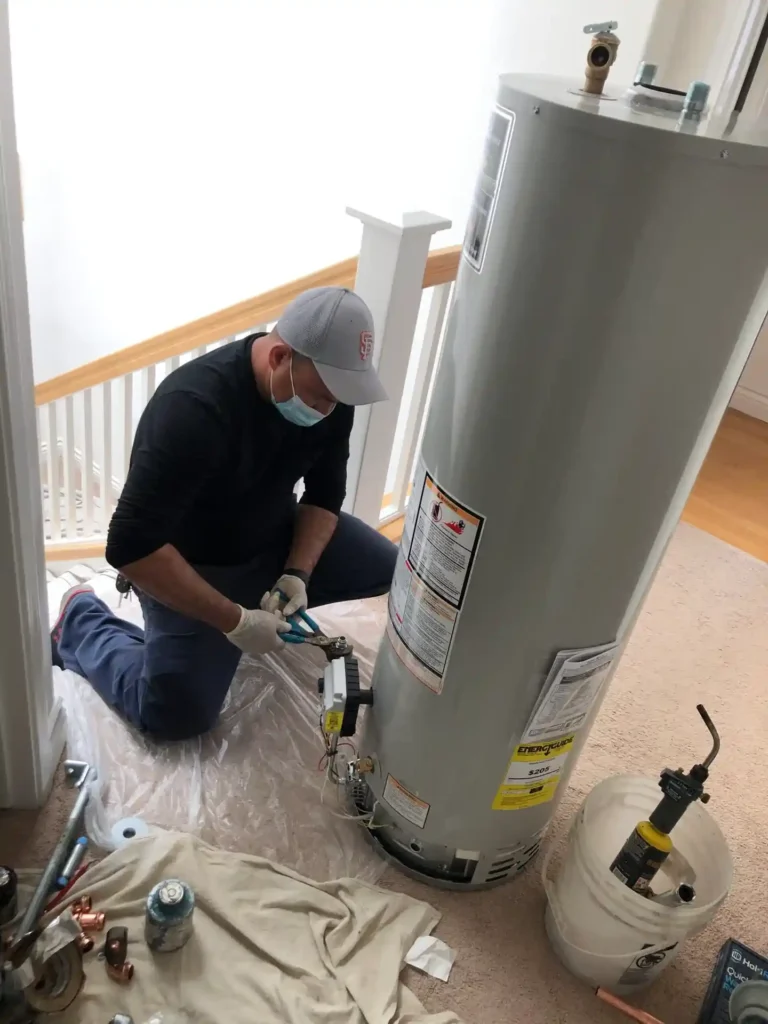
When warm water runs out quicker than it used to, ponder age and preservation. Tank water warmers accumulate sediment. In hard‑water spaces, I’ve drained heaters that had a few inches of limestone pellets sweetly tinkling inside the pan. Sediment insulates the water from the burner in fuel types or the parts in electrical types, chopping effectivity and potential. Flushing a heater yearly facilitates, yet draining an old tank that has not at all been flushed can clog the outlet. Work slowly, and be ready to transparent the drain valve with a small screwdriver as soon as stress is relieved. If the drain valve is plastic and brittle, replacing it with a brass one after flushing saves headaches later.
A pilot that won’t keep lit is likely to be a thermocouple or a soiled burner meeting on an older fuel heater. Sooting across the draft hood or a pointy chemical smell indicates incomplete combustion. Shut it down and call a professional. Carbon monoxide seriously is not a line you need to manner with no preparation and a combustion analyzer. On newer warmers with electronic ignition, mistakes codes guideline diagnostics, but forums and sensors usually are not a fine DIY playground.
Electric warmers that convey in basic terms lukewarm water may also have a failed diminish factor or thermostat. With strength off on the breaker and covers removed, a multimeter tells the actuality. Replace materials with the comparable wattage score, and consistently exchange the gasket. If facets fail persistently, money for over‑tightening or immoderate sediment.
If you see water round the base, don’t assume a leak. Condensation at the tank or the flue can drip, certainly in humid mechanical rooms. Dry the place, then wrap paper towels round suspect facets: the temperature and drive reduction valve discharge pipe, the chilly and warm nipples, and the drain valve. A slow drip at a dielectric union would be tightened or re‑sealed. A weeping T&P valve that opens without a temperature journey almost always alerts over the top drive or a failed expansion tank, now not a negative valve. A cracked tank is terminal. Tanks on a regular basis final 8 to twelve years, at times longer with comfortable water and frequent maintenance. If your heater is past that and leaking, alternative beats restore.
Tankless models have their possess story. Scale fouls warmth exchangers and triggers glide or overheat blunders. Annual descaling with a pump, hoses, and vinegar or a brand‑accepted solution continues them buzzing. If your tankless unit short cycles on low‑float fixtures, set up a low‑movement showerhead designed for tankless compatibility or keep in mind a small buffer tank to tender call for.
Hidden leaks, loud pipes, and the sluggish damage you don’t see
The so much highly-priced water destroy I see doesn’t come from dramatic bursts, it comes from pinhole leaks in copper buried inside a wall, a sweating bloodless line in a moist crawlspace, or a braided furnish line on a lavatory that failed after years of forget about. You can seize many of those formerly they soak drywall.
Watch your water meter. With all furnishings off, the small leak indicator on many meters spins with even a tiny stream. If it strikes, get started keeping apart. Shut the valve to the residence from the meter, and if the indicator stops, the leak is interior. Shut off branch lines and fixtures one after the other. Toilets are common offenders. So are outdoors spigots with break up vacuum breakers. In winter, hose bibs devoid of frost‑unfastened designs or without draining will break up and leak within the wall in spring whenever you first turn them on.
Pipe sweating shouldn't be a leak, however it will possibly drip sufficient to trigger break. Insulate cold lines in humid places. In older residences, rerouting a cold line away from unconditioned outer partitions can stop seasonal condensation that feeds mold in the back of shelves.
Water hammer, that banging when a valve snaps close, can shake joints loose over time. High strain worsens it. After confirming strain is cheap, think about water hammer arrestors at short‑last fixtures like washing machines and dishwashers. If the home had vintage‑genre air chambers that crammed with water and stopped working, draining the manner can quickly repair the cushion. Arrestors are a greater lengthy‑time period repair. Persistent hammer in multiple places can imply lengthy unsupported pipe runs. Adding straps at authentic periods continues traces still and quiet.
Supply traces deserve recognize. Braided chrome steel traces appearance potent, however the inside rubber can fail. Replace toilet and faucet grants each 5 to 10 years, faster if you see bulges, rust, or kinks. Use traces with integral ball valves when you possibly can. For home equipment like washers, stainless braided strains rated for prime burst rigidity are price the few greater funds.
Materials, fittings, and sealants: tips that keep away from callbacks
There is artistry in threading a joint and realizing it'll dwell dry. Use the desirable sealant for the drapery. Teflon tape belongs on tapered pipe threads, no longer on compression threads or flare fittings. I select a 3‑wrap formulation for half‑inch threads and four wraps for 3/4‑inch, laid flat and taut within the path of the threads, accompanied by means of a gentle coat of a like minded pipe dope on metal threads for additonal insurance plan. On plastic male threads, persist with tape with no dope, and keep away from overtightening.
Push‑to‑connect fittings have their place for quickly repairs and tight spaces. They store time, primarily while a line is rainy and soldering is impractical. But they require clean, rectangular cuts and adequately deburred edges to maintain O‑rings. Use pipe inserts in which specific. In concealed areas wherein a failure would trigger essential smash, I still prefer soldered copper, crimped PEX, or compression fittings rated for hid use.
For PEX, pick out a method and stay with it by way of a assignment. Mixing crimp and clamp earrings with distinctive tool calibrations invitations leaks. Support PEX traces to keep away from sagging, secure them from UV, and use nail plates the place lines bypass simply by studs near nailing surfaces.
When sweating copper, cleanliness and heat keep an eye on are the whole thing. Bright metallic, even flux protection, and heat the suitable, no longer the solder. If solder chases the flame or balls up, the joint is either soiled or overheated. Give it a fresh beginning rather than seeking to save a bad joint.
Prevention beats fix: simple habits that stay away from substantial bills
Plumbing approaches are quiet unless they aren’t. A little consideration about a instances a yr helps to keep most concerns from maturing.
- Test and workout each and every shutoff valve twice a yr, together with the primary and the water heater valves. Replace any that won’t near thoroughly or that leak around the stem. Drain and flush some gallons from the water heater annually. If you've tough water, schedule a full flush and anode inspection each and every 2 to three years. Replace bathroom flappers and grant strains proactively at the first signal of softness, warping, or rust. Keep a matching spare flapper on hand for every one rest room form. Clean aerators and showerheads each 6 months, and check up on below sinks for indications of moisture, mineral trails, or swollen timber. Check your water rigidity with a gauge once a yr. Install or carrier the PRV and enlargement tank if force is top or fluctuates.
When to call a plumber devoid of hesitation
There is pleasure in fixing issues your self, and lots of plumbing projects are inside reach for a careful home owner. There are also crimson strains wherein reputable tools, permits, and legal responsibility matter.
If you scent fuel close a water heater or boiler, close off the gas and ventilate, then name the software or a certified technician. If a drain backs up in distinct furnishings immediately, fairly on the lowest stage of the residence, the blockage is most likely inside the important line. Snaking mains comprises heavy gear and ordinarilly a digicam to ensure the reason, no matter if it’s roots, a collapsed clay line, or grease. If your slab reveals a heat stripe or your water meter spins with all fixtures off and that you could’t isolate the road, you can have a slab leak. Leak detection makes use of acoustic equipment and thermal imaging that beats guesswork.
Any work on potable water that calls for cutting into hid lines, surprisingly in multi‑unit buildings, basically requires an authorized plumber for code compliance and insurance plan insurance policy. Plumbing for gas strains, backflow prevention contraptions, and fireplace suppression programs isn't really DIY territory. For remodels, fixture relocations, and textile alterations, enables look after you and long run customers. Inspectors aren't adversaries; they trap mistakes that may be pricey to unearth later.
Real‑international scenarios that support separate signs and symptoms from causes
A home-owner calls approximately a musty cabinet and a swollen toe kick. The sink seems dry, the capture comfortable. With the water on, not anything drips. With the cabinet closed, the smell persists. In that case, I came upon a pinhole inside the warm water line that in basic terms sprayed while the dishwasher ran and heated the line, growing strain. The mist evaporated on the warm pipe, leaving simply enough moisture to swell the cupboard base. A dry paper towel wrapped around the line right through a dishwasher cycle told the tale in five mins.
Another example: a model‑new kitchen tap with exceedingly low circulate. Aerator turned into sparkling, furnish lines kink‑unfastened. Under the sink, the perspective stops had essential particles displays. They have been clogged from solder beads and flux residue left inside the line after a protection. Rinse the displays, flush the traces, and the hindrance vanished. When new furniture run poorly, imagine particles first.
A 0.33: a rest room that rocked ever so slightly, infrequently seen. The house owner had caulked across the base, as many brands recommend. The rocking broke the wax seal, and water wicked under the caulked edge, trapped. By the time the odor gave it away, the subfloor had softened in a ring around the flange. The fix fascinated slicing out plywood, sistering joists, and installation a accurate fix flange. A simple spacer and a sparkling wax ring, plus shimming the bottom stable, may have averted it.
Tools well worth possessing for sure repairs
You don’t want a truck full of distinctiveness gear to handle established plumbing restore initiatives. A few excellent gear make a enormous difference.
- A pair of very good adjustable wrenches, a basin wrench for tight faucet nuts, and channel‑lock pliers for slip nuts and traps. A compact pipe cutter for copper, a PEX cutter, and a deburring tool to fresh edges. A fine plunger and a hand auger for sinks and tubs. For bathrooms, a committed flange plunger seats more suitable and avoids pass‑infection. A pressure gauge that threads onto a hose bib, and a essential multimeter when you have an electric powered heater. Plumber’s tape, silicone grease, a small tub of pipe dope rated for potable water, and a handful of spare washers, O‑earrings, and slip‑joint gaskets.
Buy once, use for many years. Cheap tools scar fittings and slip on the worst second. A basin wrench that holds its jaws and a cutter that tracks true pay for themselves the 1st time you avoid barking your knuckles in a decent arrogance.
Water first-class and its quiet outcome on every repair
Water isn’t just rainy. It contains minerals and chemistry that either expand or shorten the life of all the pieces it touches. Hard water lays down scale. You see it on bathe glass, yet it really works harder within your furniture, cartridges, and warmers. Softening or conditioning methods, wisely sized and maintained, gradual that manner. Even a common sediment clear out forward of a water heater extends the time among flushes and protects fill valves and cartridges.
Chlorine and chloramines do their possess paintings. They disinfect, however additionally they age rubber and a few plastics. If your town uses chloramines, come to a decision replacement materials rated for them. That contains flappers, offer lines, and tank constituents. If you put in a whole‑condo filter, be certain that it doesn’t drop rigidity under what your fixtures require, and trade cartridges on schedule. A clogged clear out seems to be clone of a failing PRV to an untrained eye.
The worth of clear workmanship
Repair paintings lives and dies through what the subsequent consumer sees once they open a cabinet or a wall years later. A smooth loop of offer line with out a kink, a accurate supported trap arm with a comfortable slope, and a neat bead of silicone round a sink tell a story. Teflon shreds dangling from threads, puddled pipe dope, and harassed fittings tell a different.
Labeling shutoffs, leaving a small diagram of replaced components taped within a shallowness, and retaining receipts for essential replacements like a water heater or PRV assistance long term upkeep go smoothly. If you call a plumber, percentage that files. It saves diagnostic time and rate.
Final stories from the field
Most plumbing concerns give truthful warning. A tap deal with stiffens earlier a cartridge fails. A bathroom hisses ahead of it floods a ground. A water heater clicks and groans formerly it quits. If you act on these whispers, you hinder the floods. Know wherein your shutoffs are. Keep some easy components handy. Respect stress, electricity, gasoline, and the hidden paths water takes while it wishes out.
And whilst the quandary sits on the sting of your comfort, call a official. A impressive plumber brings greater than methods and portions. They bring judgment formed by means of hundreds of rooms, miles of pipe, and blunders already made on a person else’s time. That judgment is what turns a restore into a lasting fix, and it really is what assists in keeping your private home dry, reliable, and quietly secure.
Handy Bay Plumbing
3520 Haven Ave, Unit J, Redwood City, CA 94063, United States
(650) 475-6543
https://plumbingcompanypaloalto.com/
Handy Bay Plumbing is a full-service plumbing company located at 3520 Haven Ave, Unit J in Redwood City, California. Andres Tellez, licensed plumber and owner of Handy Bay Plumbing, founded the company in 2021 with over 20 years of industry experience. The business operates as a family-owned company.
Handy Bay Plumbing specializes in drain and sewer services, water heater installation, and leak detection. The company performs emergency repairs, gas line installation, and trenchless sewer replacement. Active contractor licensing, full insurance and bonding, a 100% satisfaction guarantee, and flat-rate pricing back every service call.
Handy Bay Plumbing serves Redwood City and the surrounding San Mateo County area, including Palo Alto, Menlo Park, and Mountain View. The service area extends to Atherton, Burlingame, Foster City, Woodside, Sunnyvale, Cupertino, Los Altos, San Jose, and Santa Clara across the San Francisco Bay Area.
Handy Bay Plumbing is located on Haven Avenue in the Friendly Acres neighborhood of Redwood City.
Located near US-101 (Bayshore Freeway) and Woodside Road (CA-84), the company sits centrally within San Mateo County.
Marsh Manor Shopping Center is within a short drive of Handy Bay Plumbing.
Stanford Shopping Center is approximately 3 miles south on El Camino Real.
US-101 provides direct access via the Marsh Road or Woodside Road exits.
Bayfront Park and Andrew Spinas Park are nearby in the Friendly Acres neighborhood.
Flood County Park is within 4 miles to the west.
Kennedy Middle School and Sequoia High School are near the Handy Bay Plumbing service location.
Residents of Menlo Park, Atherton, and Redwood Shores reach Handy Bay Plumbing within minutes.
Downtown San Francisco is approximately 30 miles north.
What services does Handy Bay Plumbing offer?
Handy Bay Plumbing offers over 50 plumbing services including drain cleaning, sewer repair, water heater installation, leak detection, gas line services, and emergency plumbing in Redwood City.
Where is Handy Bay Plumbing located?
Handy Bay Plumbing is located at 3520 Haven Ave, Unit J in Redwood City, CA 94063, in the Friendly Acres neighborhood near US-101.
What are the hours of Handy Bay Plumbing?
The hours of Handy Bay Plumbing are Monday through Friday 7:00 AM to 8:00 PM and Saturday 8:00 AM to 6:00 PM. Closed Sunday.
Does Handy Bay Plumbing offer emergency plumbing services?
Yes, Handy Bay Plumbing offers emergency plumbing services for gas leaks, sewer backups, and water line breaks across the Redwood City and Palo Alto area.
Is Handy Bay Plumbing licensed and insured?
Yes, Handy Bay Plumbing is licensed, insured, and bonded with a 100% satisfaction guarantee and flat-rate pricing.
Does Handy Bay Plumbing do sewer repair?
Yes, Handy Bay Plumbing does sewer repair including video inspection, trenchless replacement, hydro cleaning, and jetter sewer services.
Why choose Handy Bay Plumbing in Redwood City?
Handy Bay Plumbing in Redwood City is a family-owned company with 20+ years of experience, flat-rate pricing, and a 100% satisfaction guarantee serving San Mateo and Santa Clara Counties.
Does Handy Bay Plumbing install water heaters?
Yes, Handy Bay Plumbing installs water heaters for both traditional tank and tankless systems, including tankless descale service.
Ask ChatGPT about Handy Bay Plumbing
Search Handy Bay Plumbing on Perplexity
Ask Gemini about Handy Bay Plumbing